Week 106 · Siem Reap, Cambodia · January 2016
Siem Reap
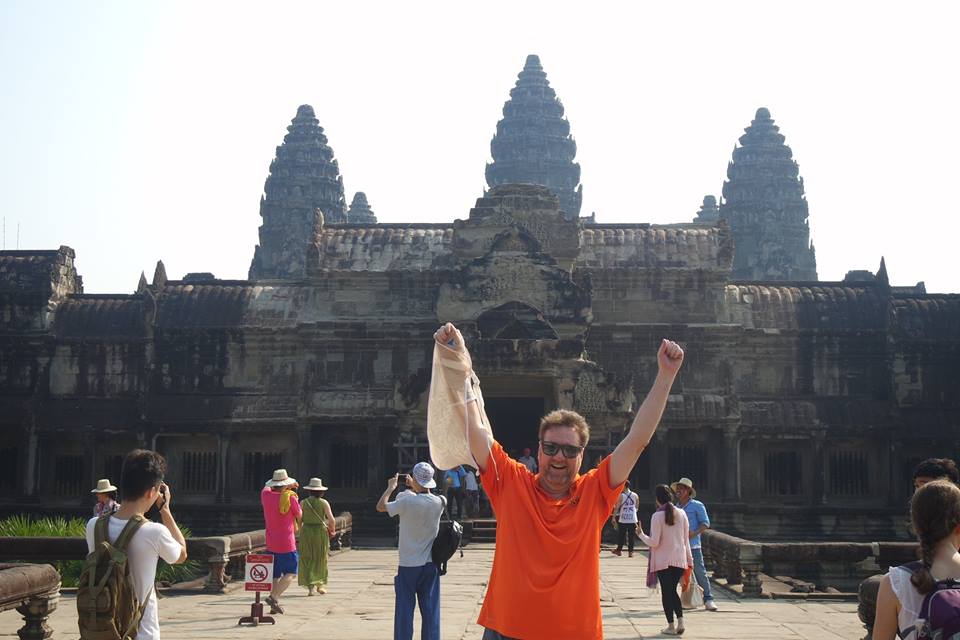
Simply incredible. Only the Pyramids had more of a wow factor than the ruins around Angkor Wat. Actually the temples near Angkor Wat were more impressive — Angkor Wat was discovered and cleaned up and maintained while the other areas were left for nature to overgrow. Another culture with an impressive civilisation from 1,000 years ago that seems to have disappeared.
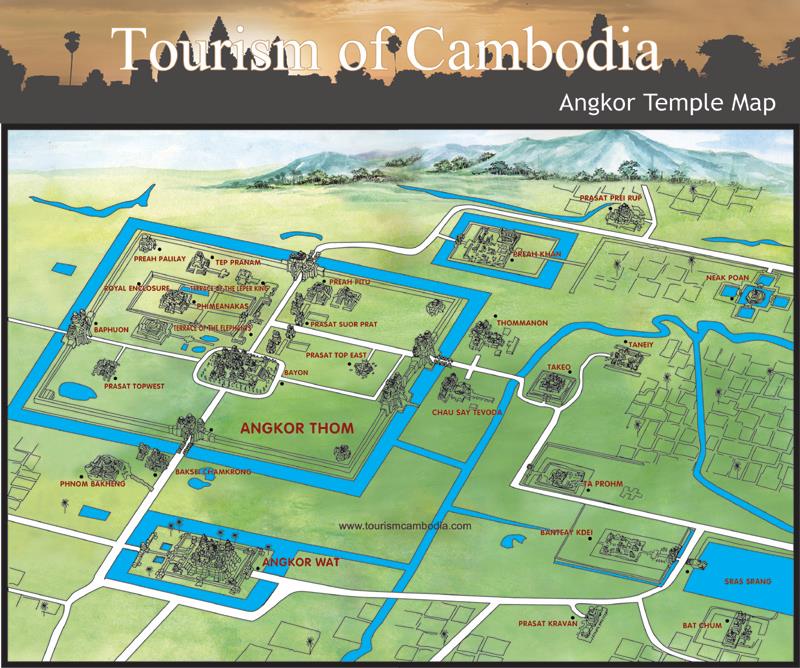
I had signed up to run a half-marathon here in 2014 but cancelled because I would not have made the 3-hour cutoff. The temple complex is very impressive and spread out over a large area. A lot of the complex is dedicated to water management through a series of moats and lakes to store water from the rainy season and save it for irrigation during the remainder of the year.
Angkor Wat was built in the early 12th century by the Khmer Emperor Suryavarman II and is the world's largest religious monument — covering about 400 acres. It was originally constructed as a Hindu temple dedicated to Vishnu before converting to Buddhism. The broader Angkor Archaeological Park encompasses over 400 square kilometres of temples, hydraulic structures, and roads. The water management system visible in the moats was highly sophisticated — the Khmer had engineered a network of reservoirs, canals, and embankments that allowed the empire to sustain intensive rice cultivation and a peak population estimated at up to one million people, making Angkor one of the largest pre-industrial cities in the world. Ta Prohm — the jungle-overgrown temple famously used as a set for Lara Croft: Tomb Raider (2001) — was deliberately left in its semi-reclaimed state by conservators to show nature's relationship with the ruins.
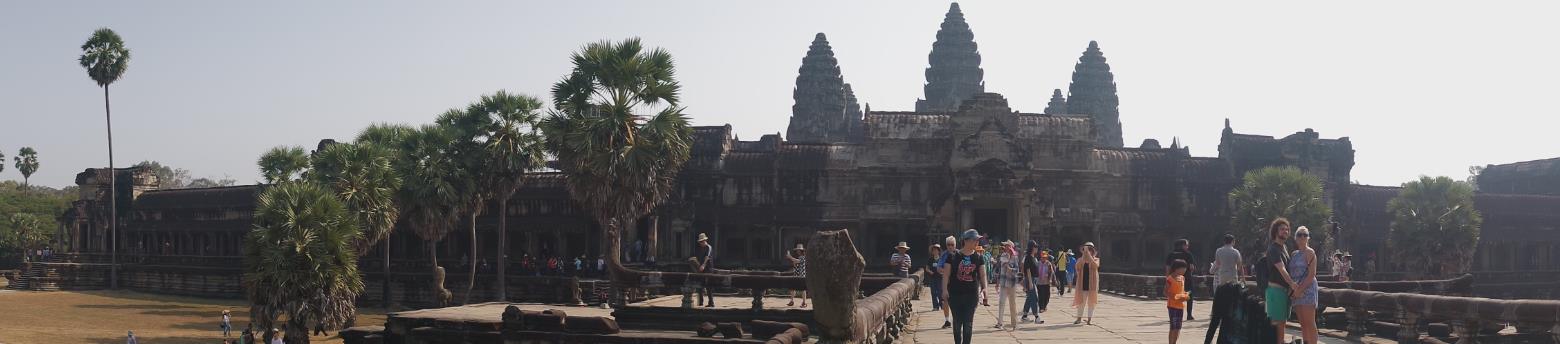

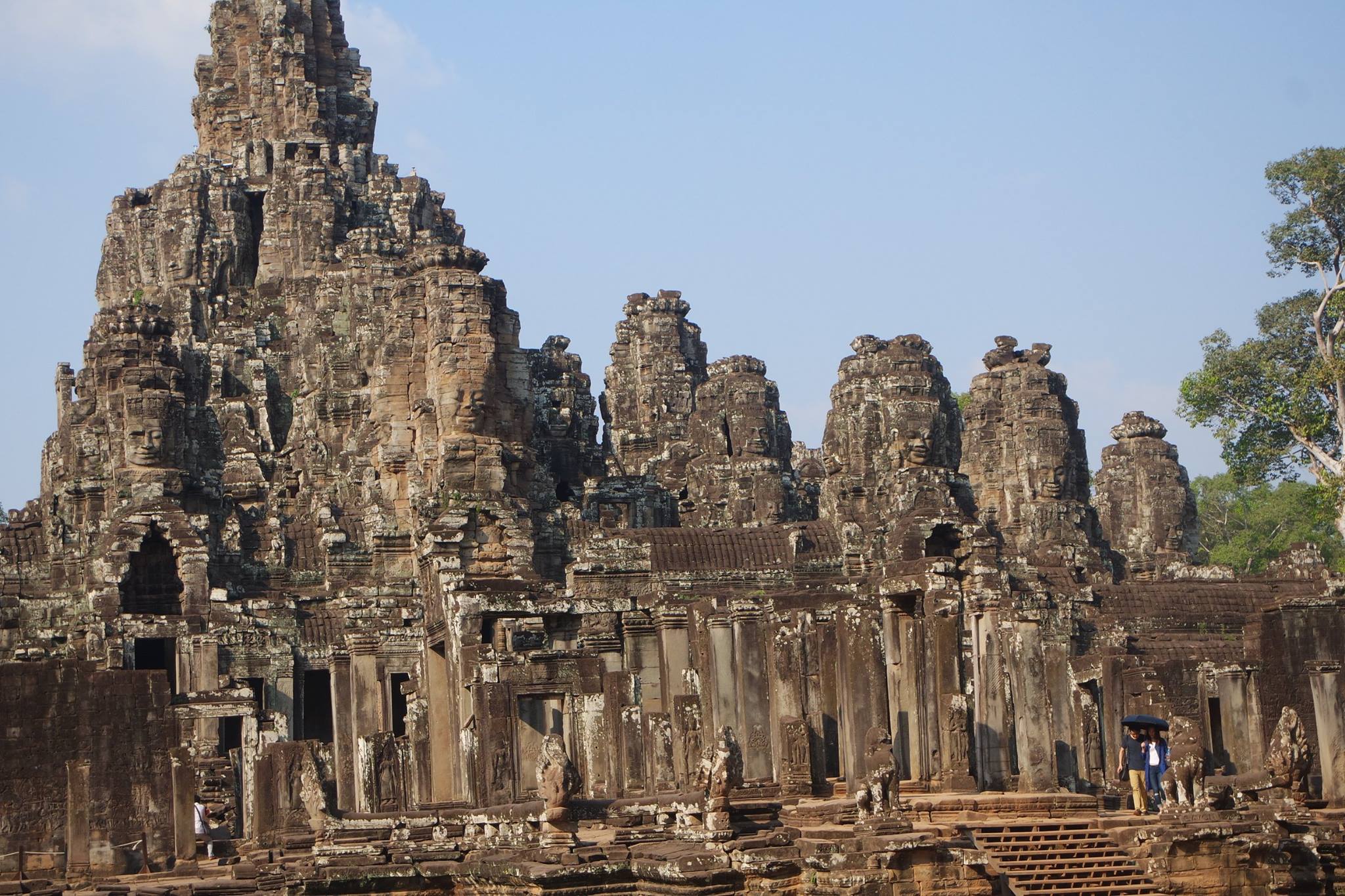
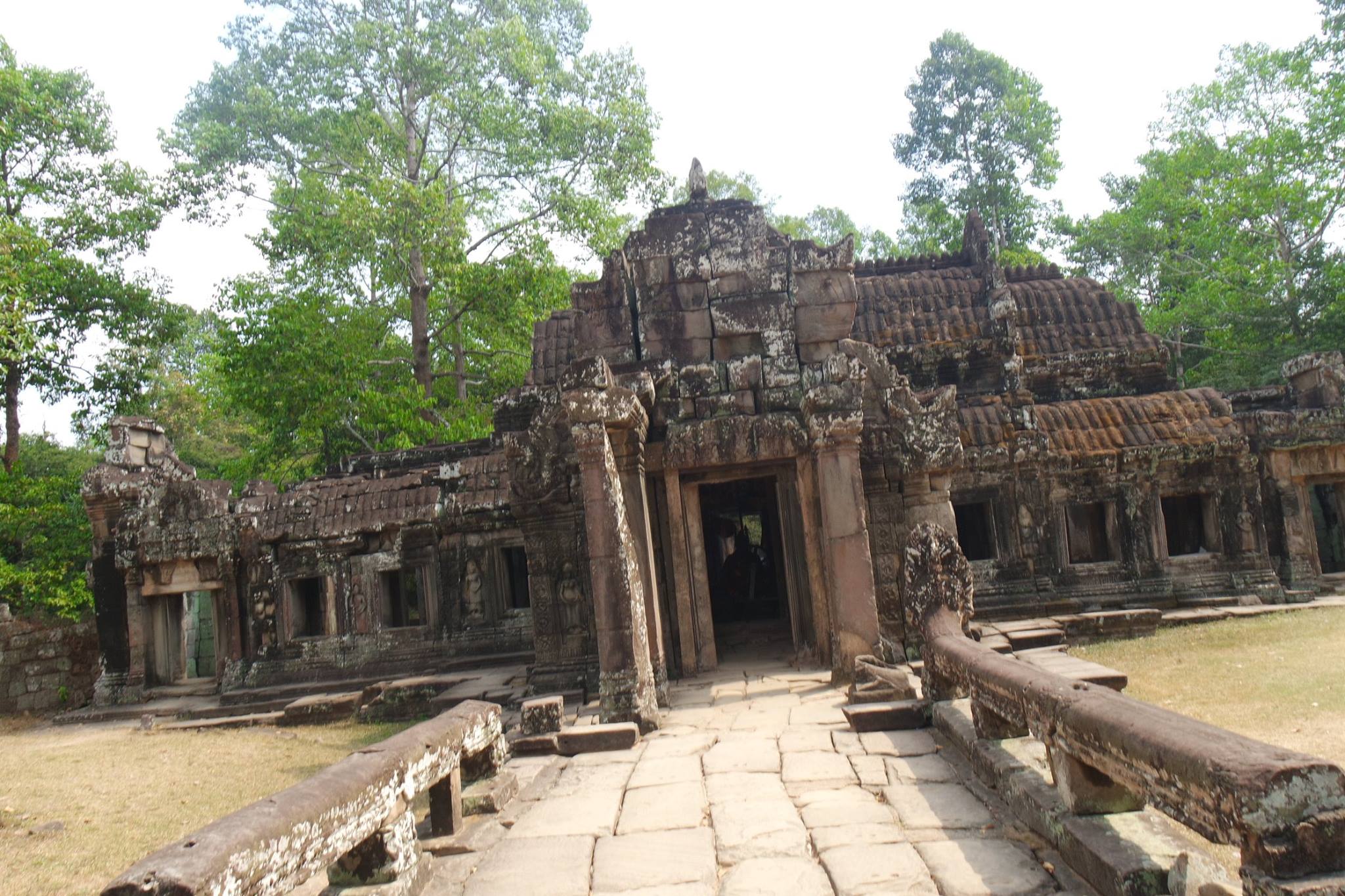

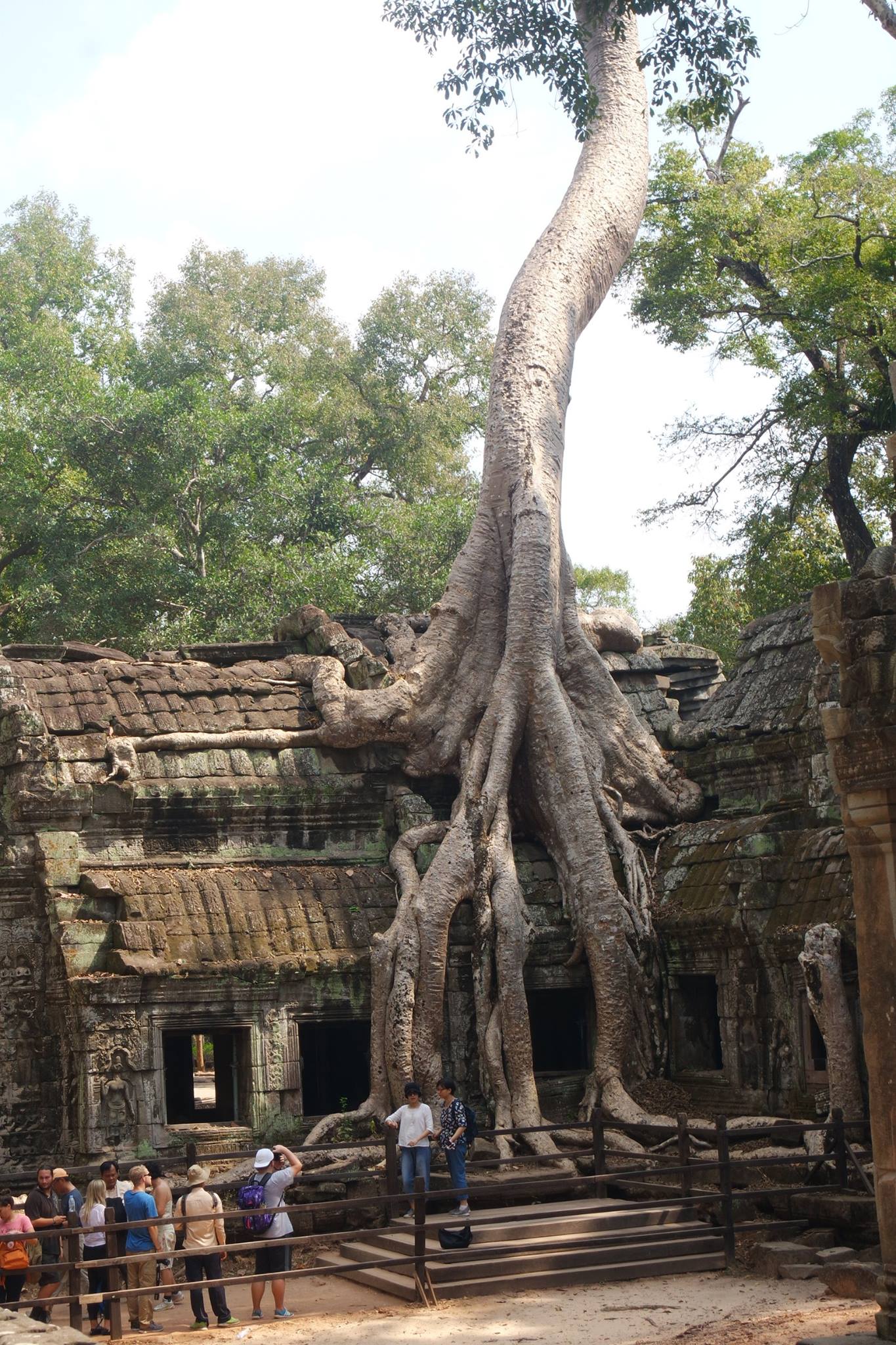
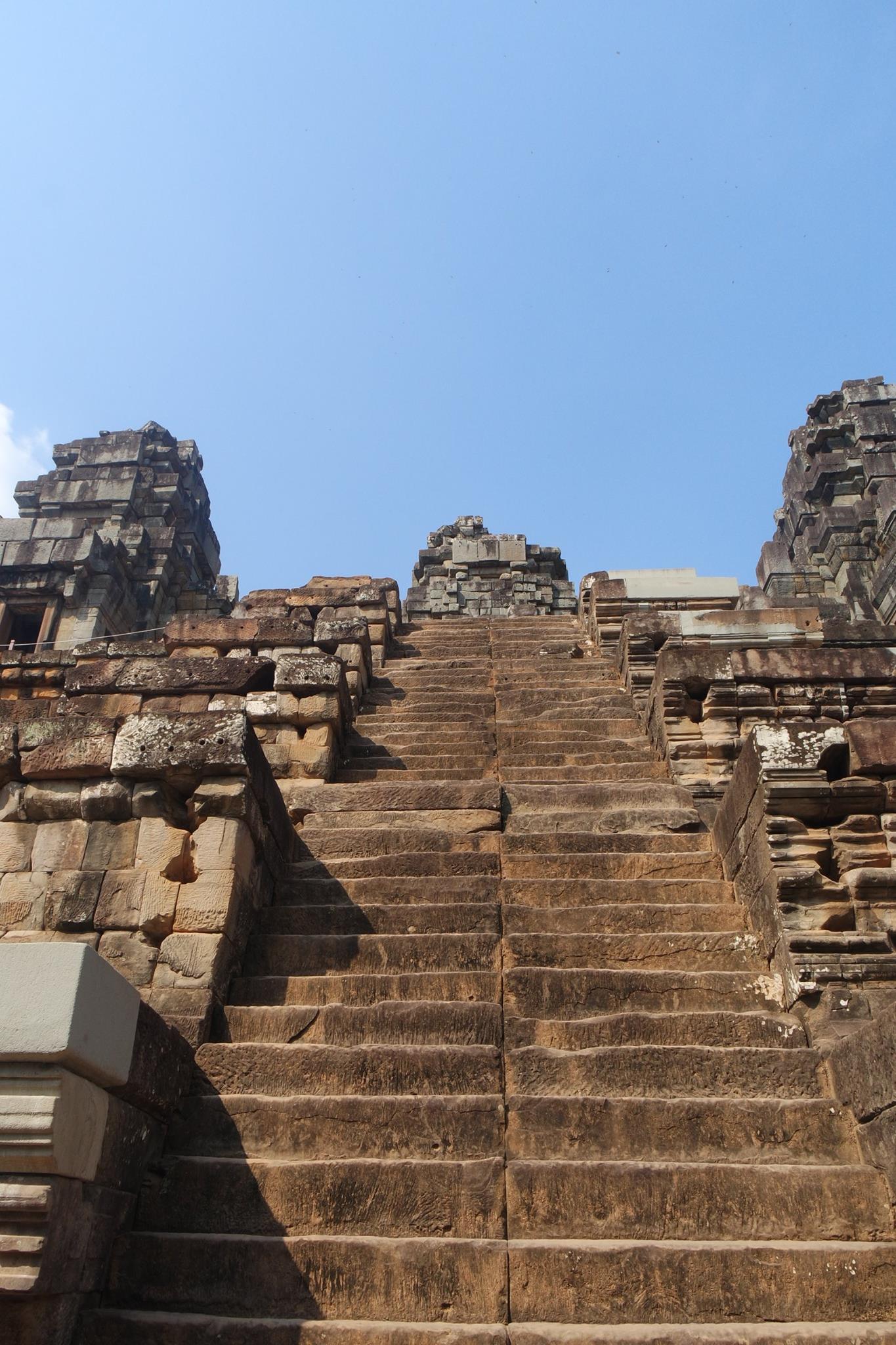
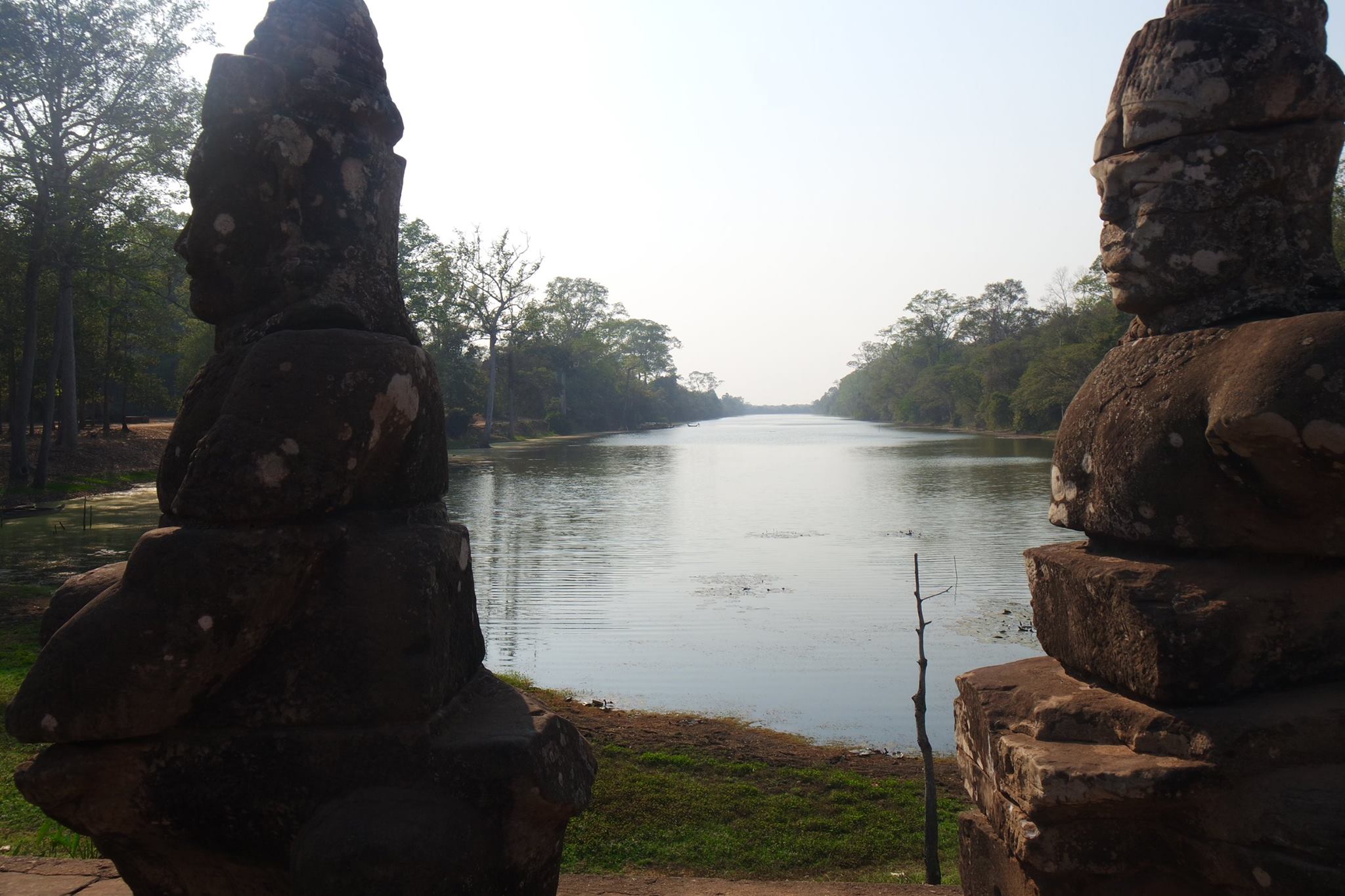
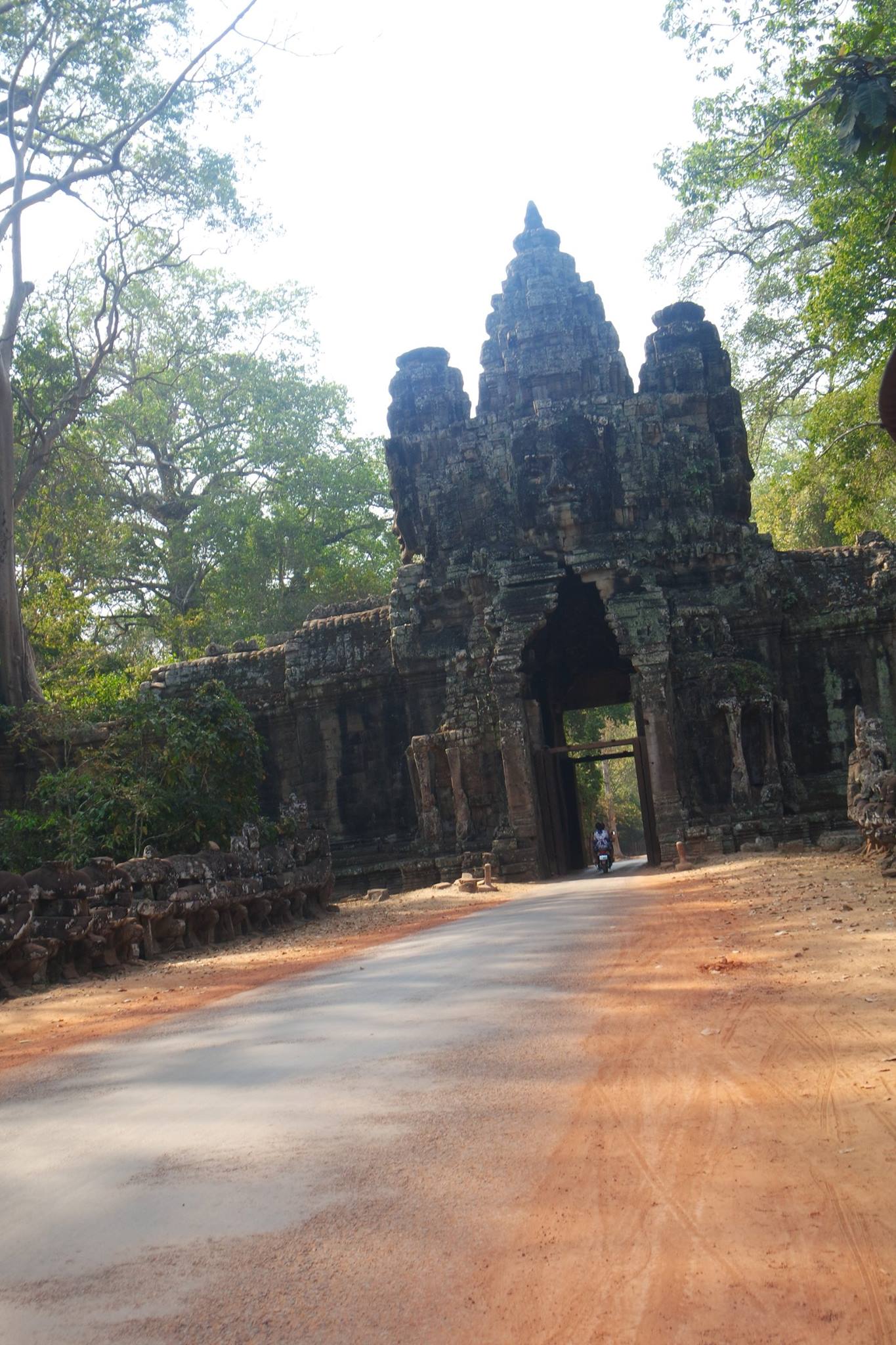
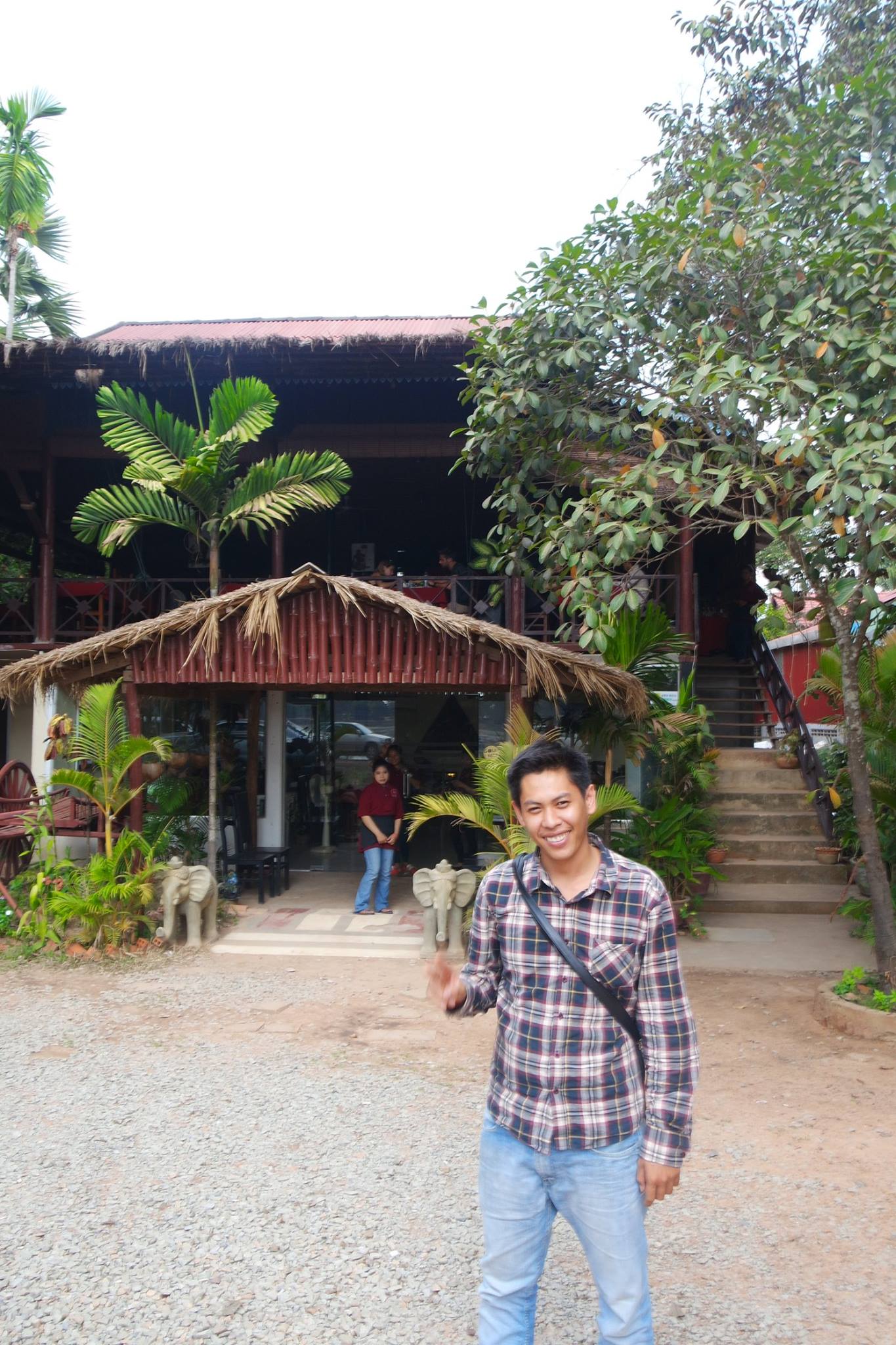
"Only the Pyramids had more of a wow factor. Truly should be on your bucket list."
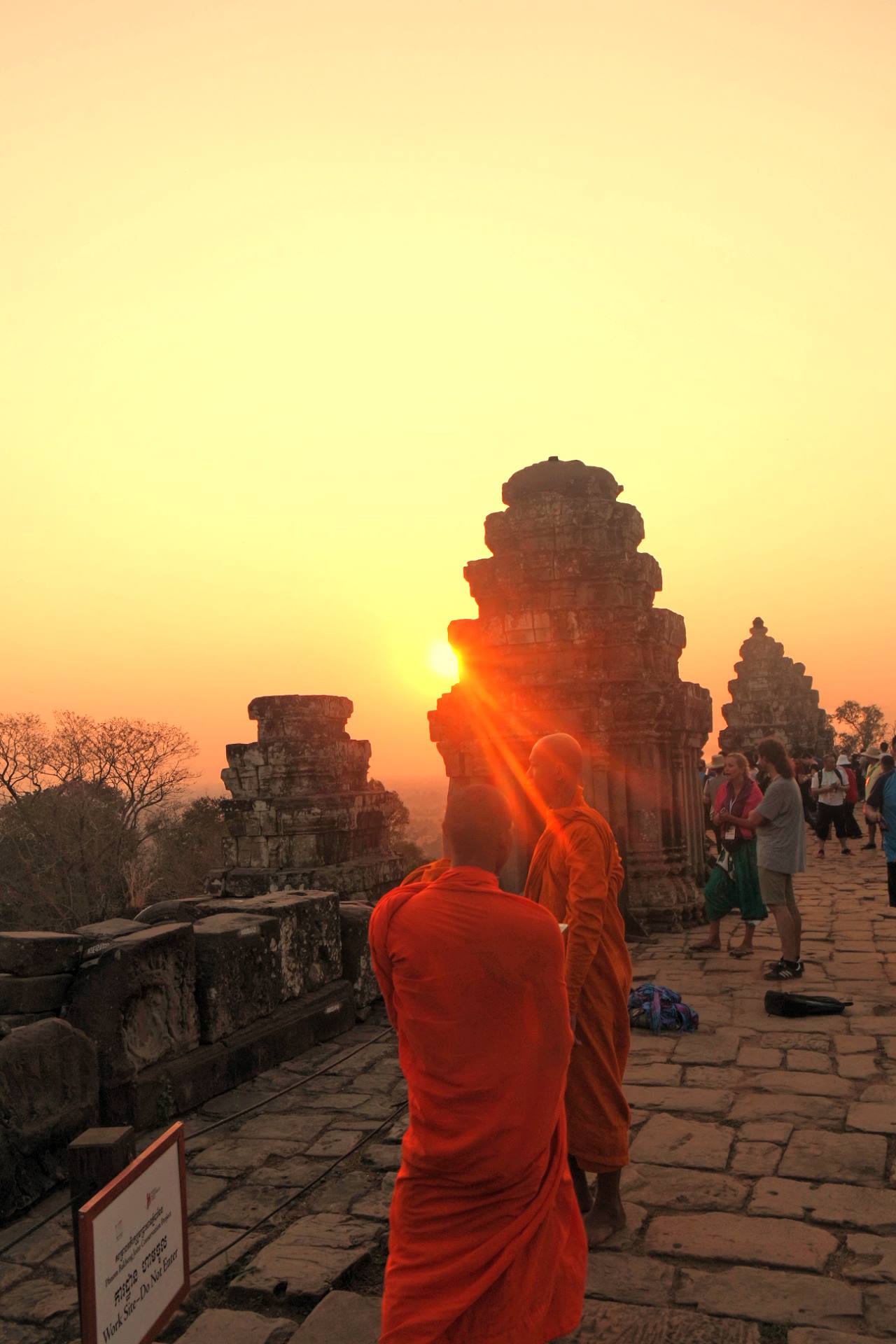

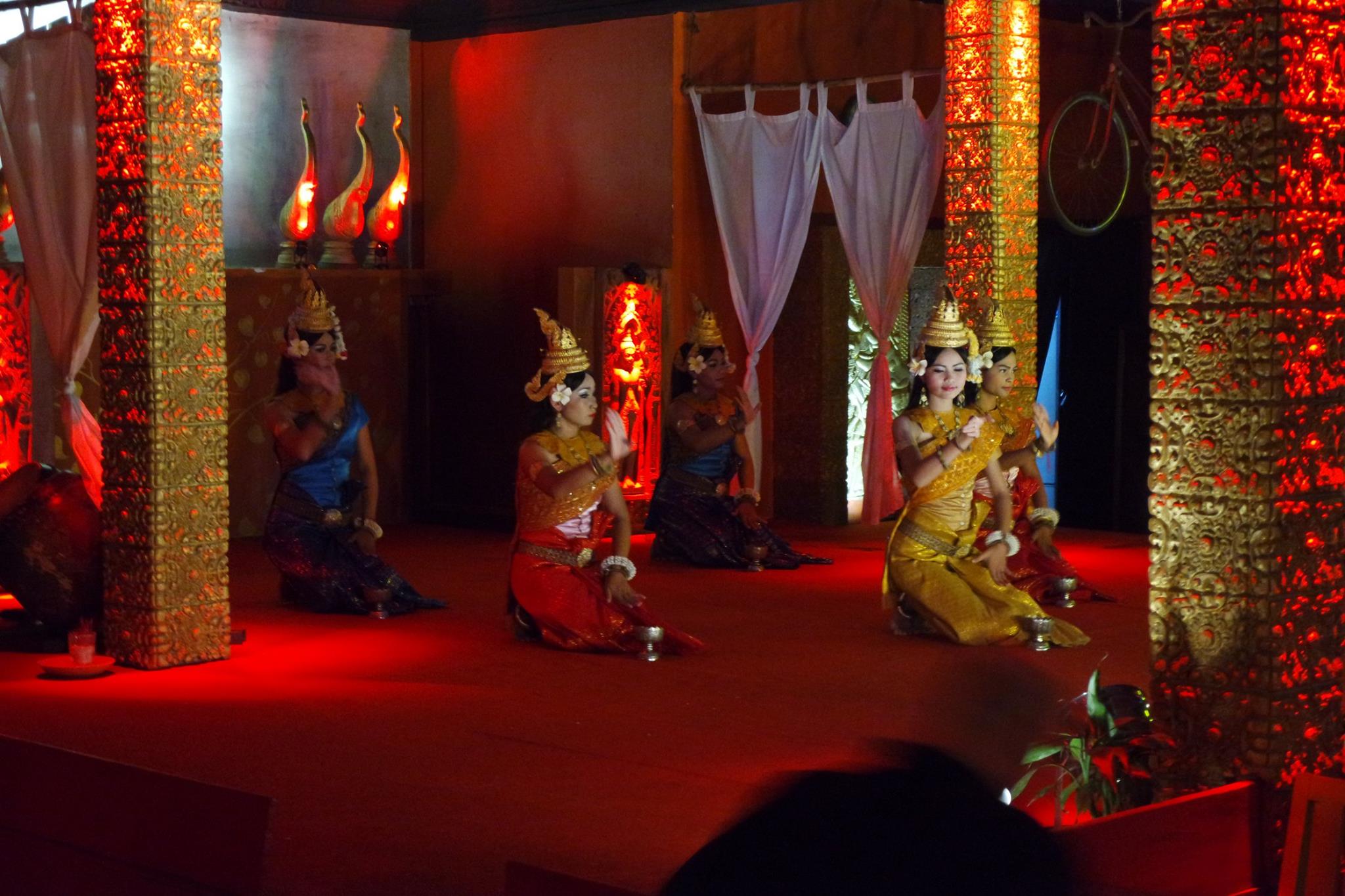
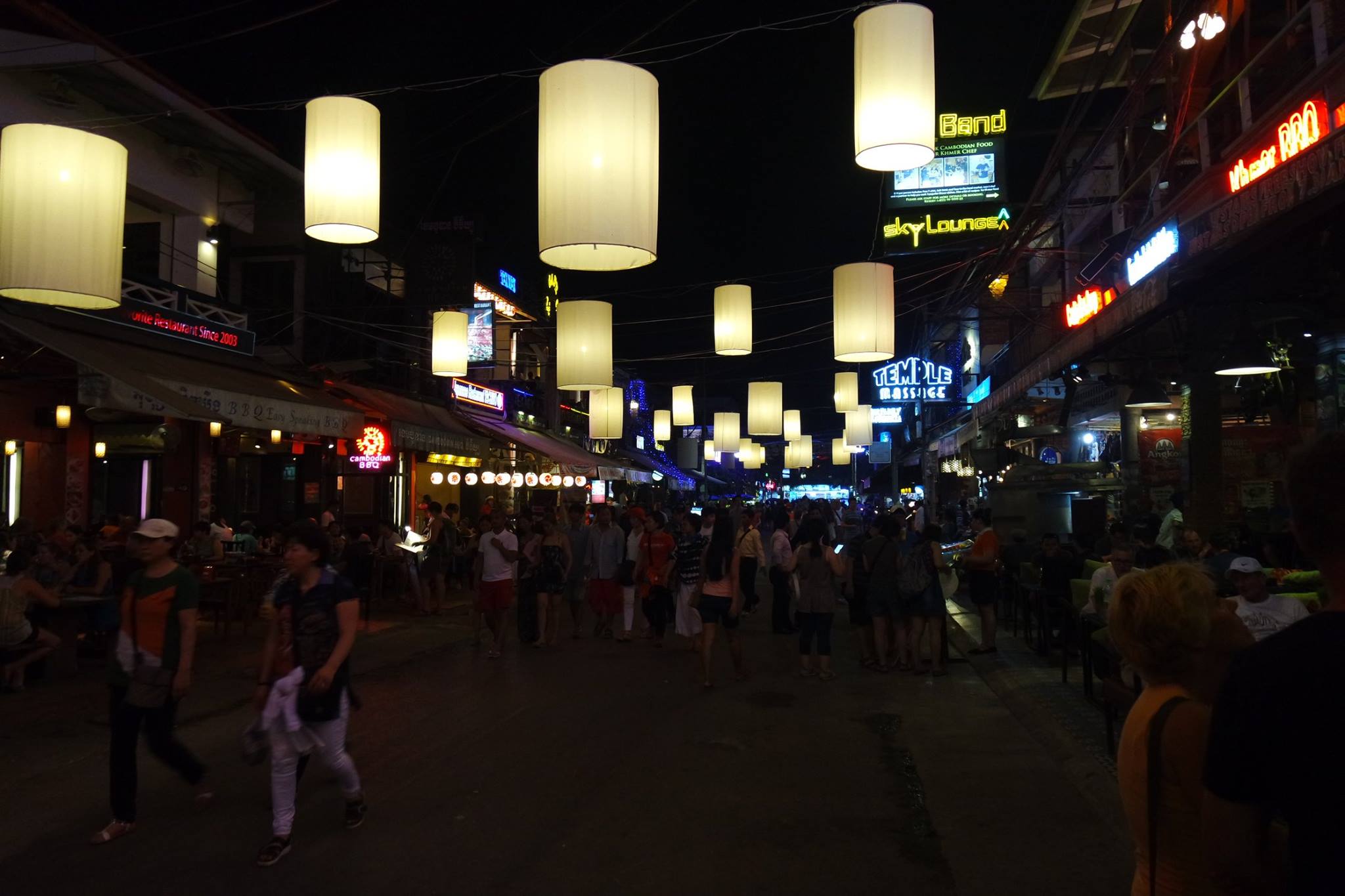
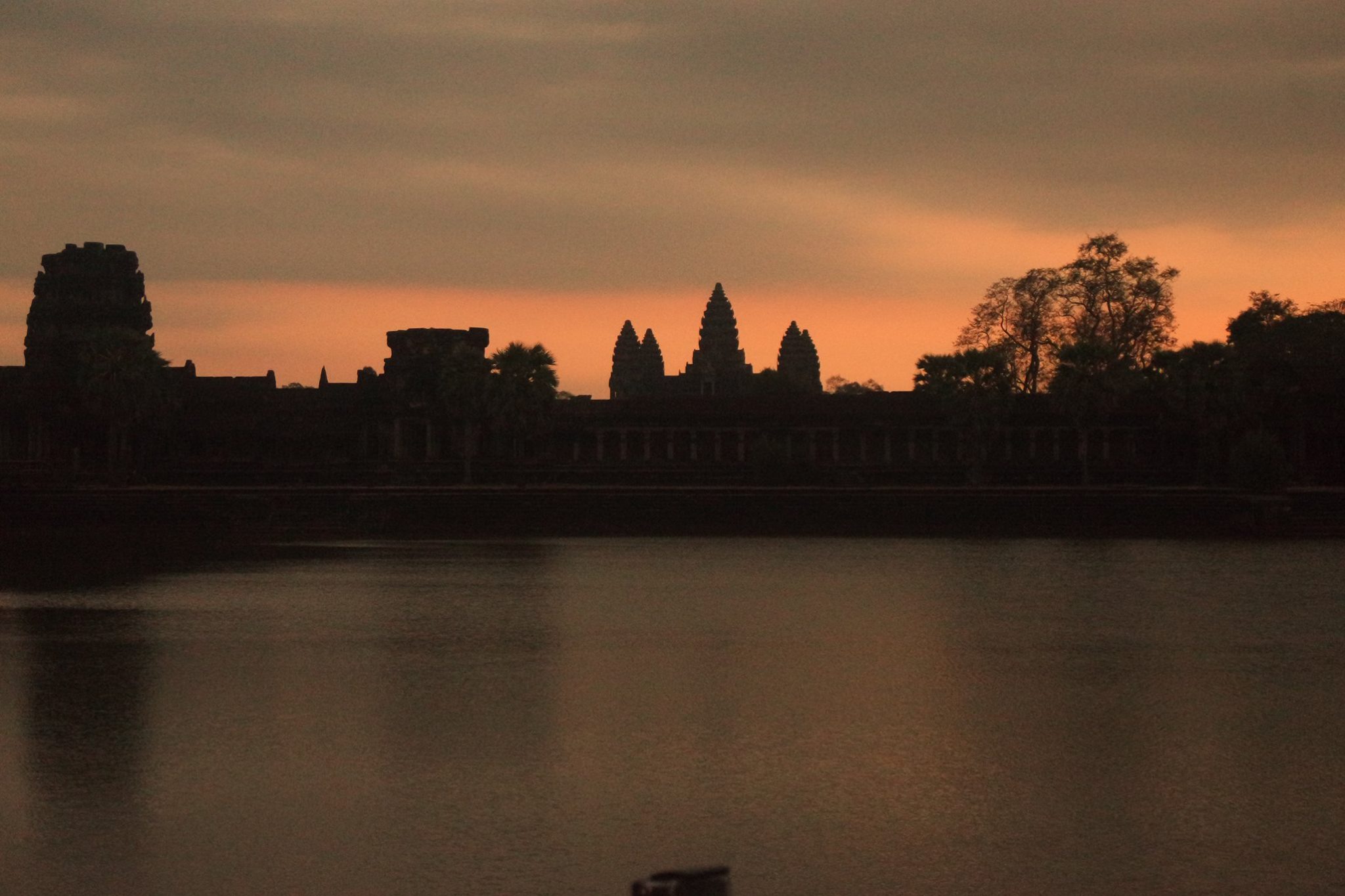
Accommodation and logistics worked out great — small hotel via Airbnb that arranged airport and bus transfers, and the tuk-tuk to tour the temples was booked directly from there. Siem Reap is a great little town — even had a visa cash advance place which provided enough cash to make it to Singapore. The recommended way to see Angkor is to hire a tuk-tuk driver for the full day — they know which temples get crowds at what time of day and can plan the route accordingly. Sunrise at Angkor Wat from the main reflecting pool is one of the most photographed scenes in Southeast Asia.